


Our Approach to Feeding Therapy
At Babble and Bites, feeding therapy is designed to help children build a positive, trusting relationship with food—without pressure, power struggles, or one-size-fits-all approaches. We take a responsive, child-centered approach that prioritizes your child’s autonomy, comfort, and enjoyment, because lasting progress happens when children feel safe and in control.
Our Perspective
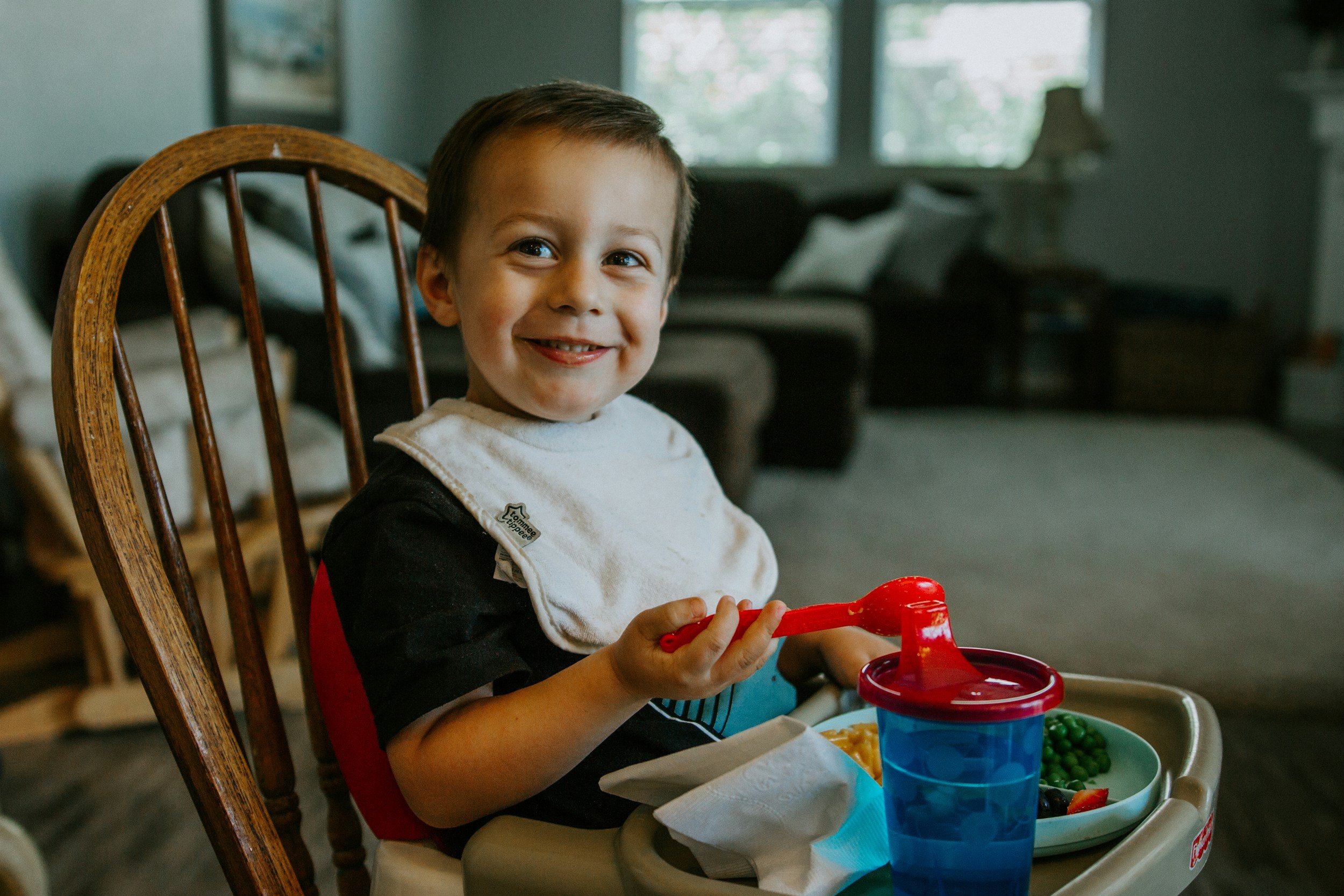
Feeding challenges are complex. They can involve sensory differences, oral-motor skills, medical history, and past experiences. Rather than focusing primarily on compliance or behavior, we look at the whole child and ask: What does this child need to feel safe enough to explore food?
Our therapy emphasizes:
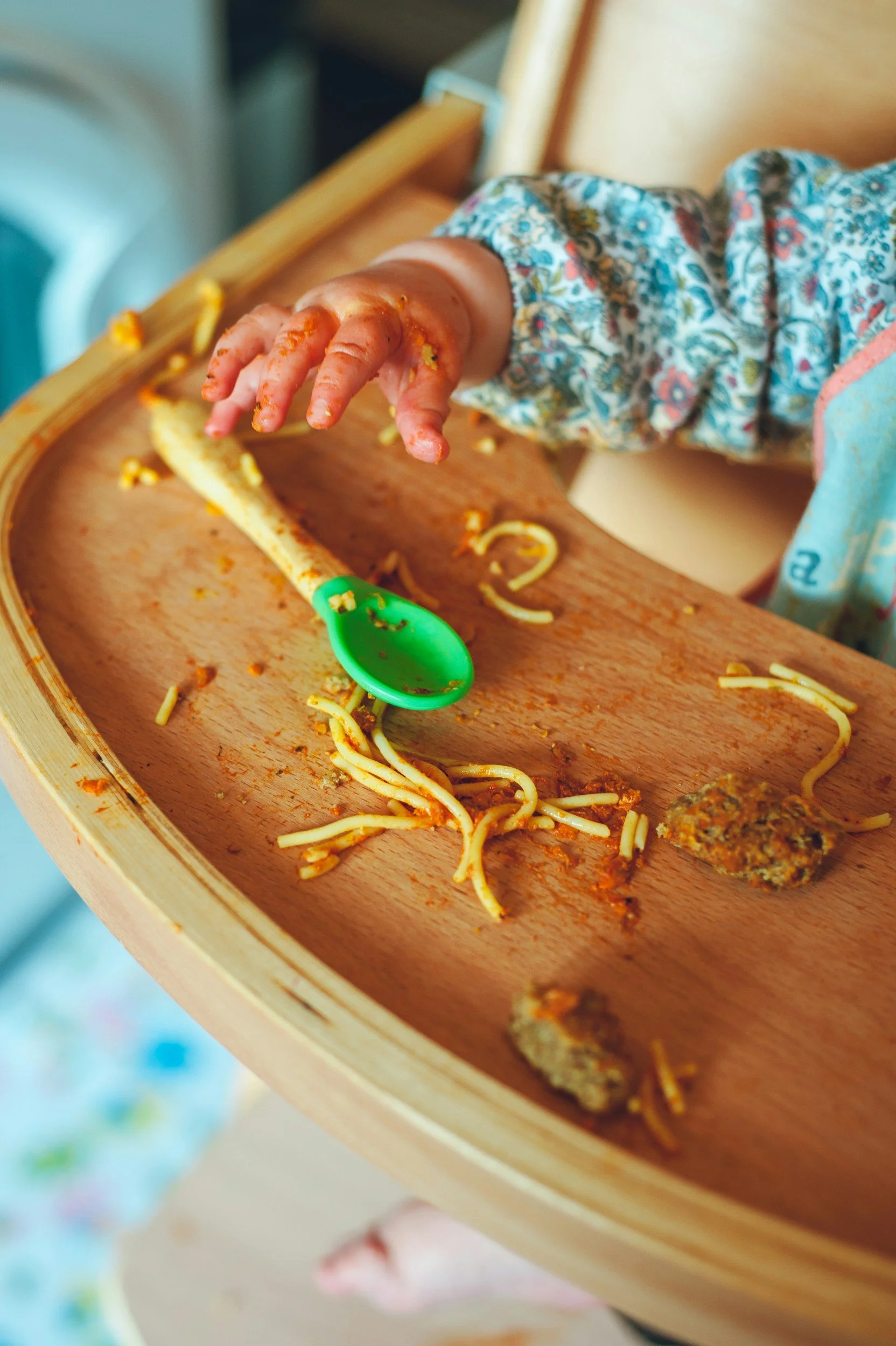
Child Autonomy – Children are supported in making choices and listening to their bodies. We never force bites or override refusal cues.
Comfort & Safety – We move at your child’s pace, building trust first so mealtimes feel predictable and low-stress.
Joyful Exploration – Play, curiosity, and positive experiences are used to expand food acceptance naturally over time.

What this looks like in practice
Sessions may include:
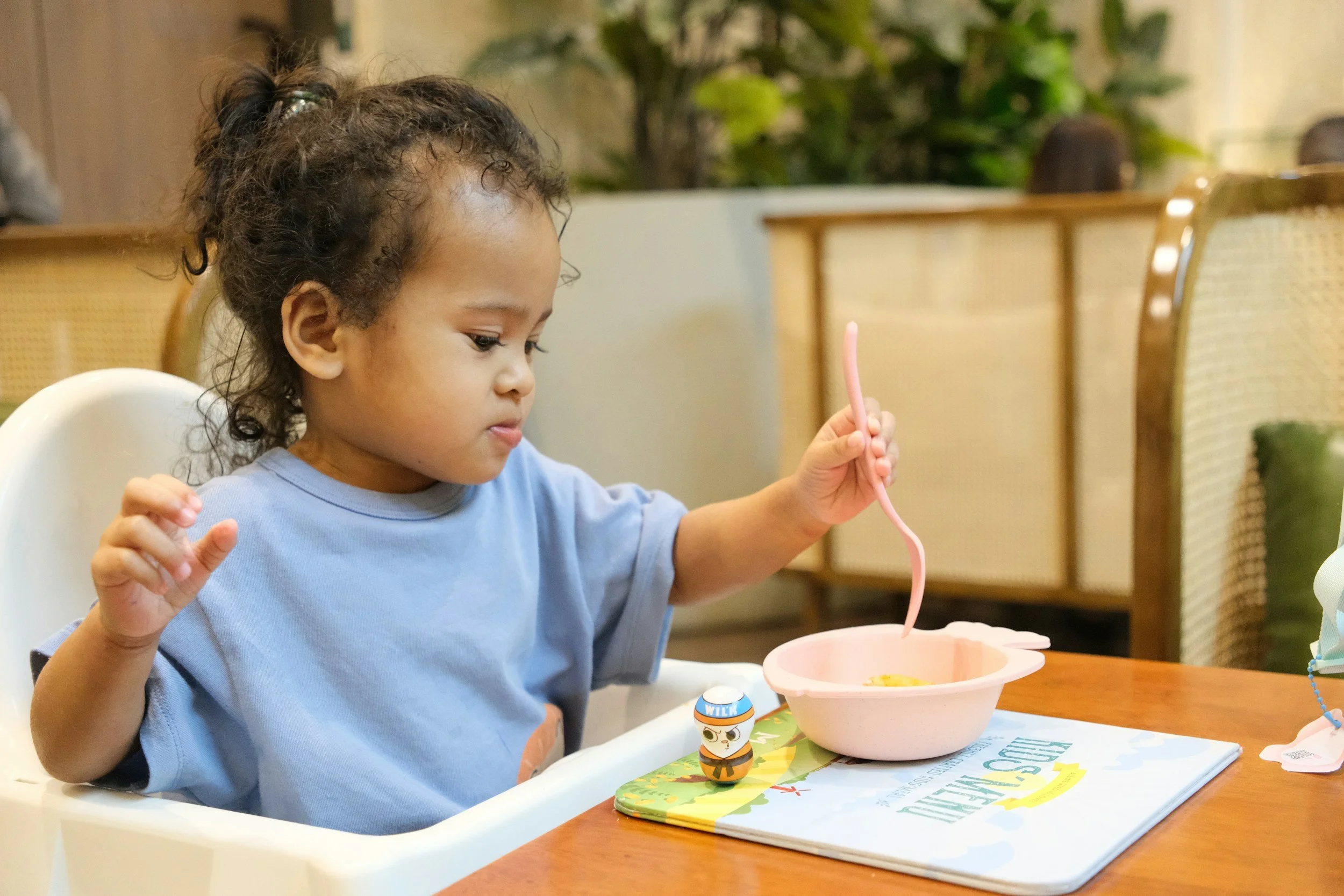
Gentle exposure to new foods through play and exploration
Sensory activities to increase tolerance of textures, smells, and tastes
Oral-motor skill development for chewing and swallowing
Parent coaching to support carryover at home without pressure
Mealtime strategies that reduce stress and increase connection
Progress is not measured by how many bites a child takes in a session, but by meaningful steps forward, like tolerating a new food nearby, touching it, smelling it, or eventually tasting it when they are ready.
How we differ
Some feeding approaches rely heavily on external rewards, strict expectations, or behavior-based strategies to increase intake. While these methods may produce short-term results, they can sometimes overlook a child’s internal cues and comfort.
At Buffalo Babble and Bites, we take a different path. Our focus is on building intrinsic motivation, supporting regulation, and helping children develop lifelong, positive relationships with food. We respect each child’s communication—whether verbal or nonspeaking—and treat those signals as essential communication, not something to work around.
Autonomy
✳︎
Comfort
✳︎
Communication
✳︎
Joyful Exploration
✳︎
Safety
✳︎
Autonomy ✳︎ Comfort ✳︎ Communication ✳︎ Joyful Exploration ✳︎ Safety ✳︎
Who We Help
We support children who:
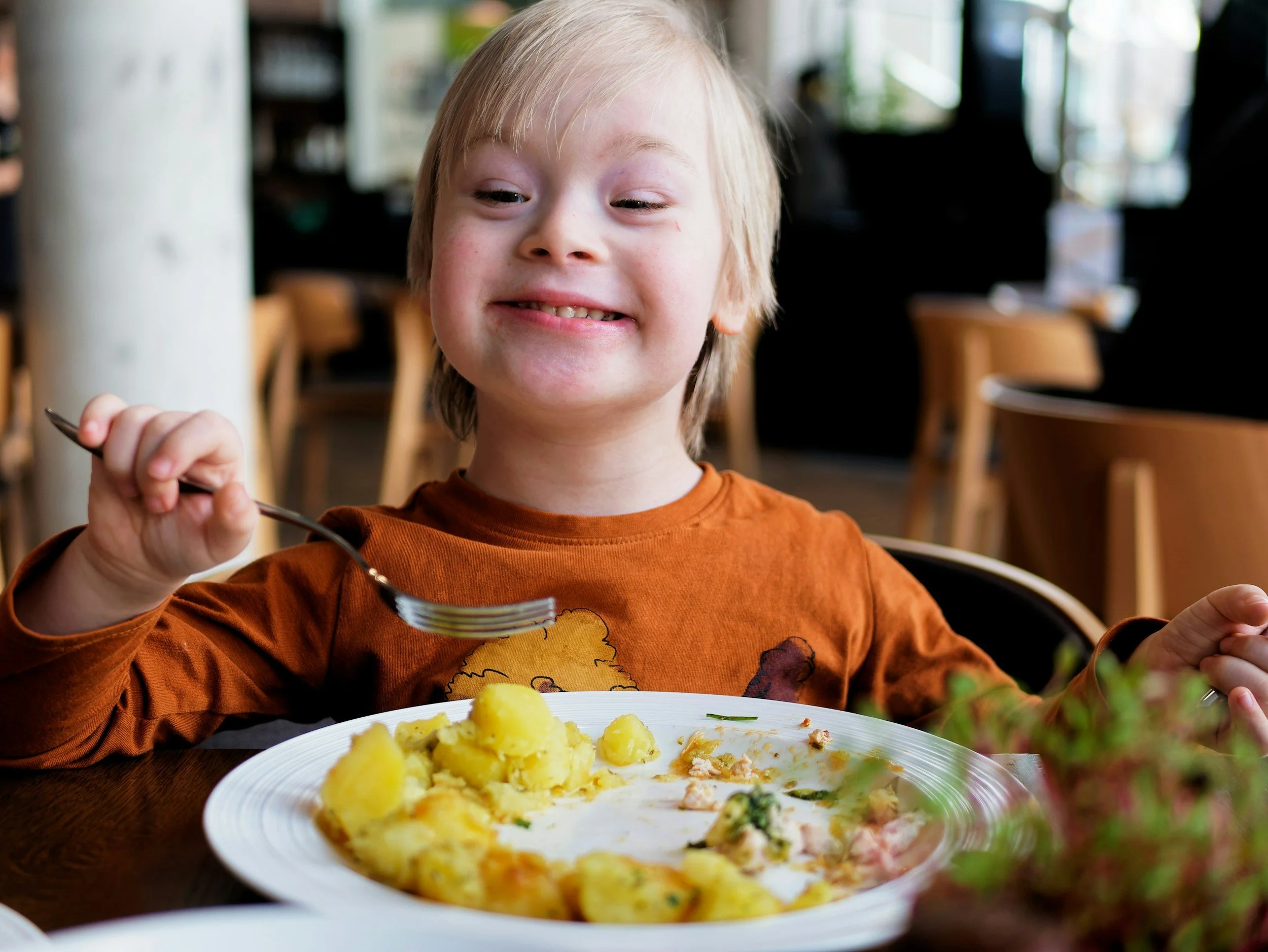
Are selective or “picky” eaters
May or may not have a diagnosed pediatric feeding disorder
Have difficulty transitioning to new textures or foods
Experience anxiety or distress around mealtimes
Have oral-motor or sensory-based feeding challenges
Need support with baby-led weaning or early feeding skills